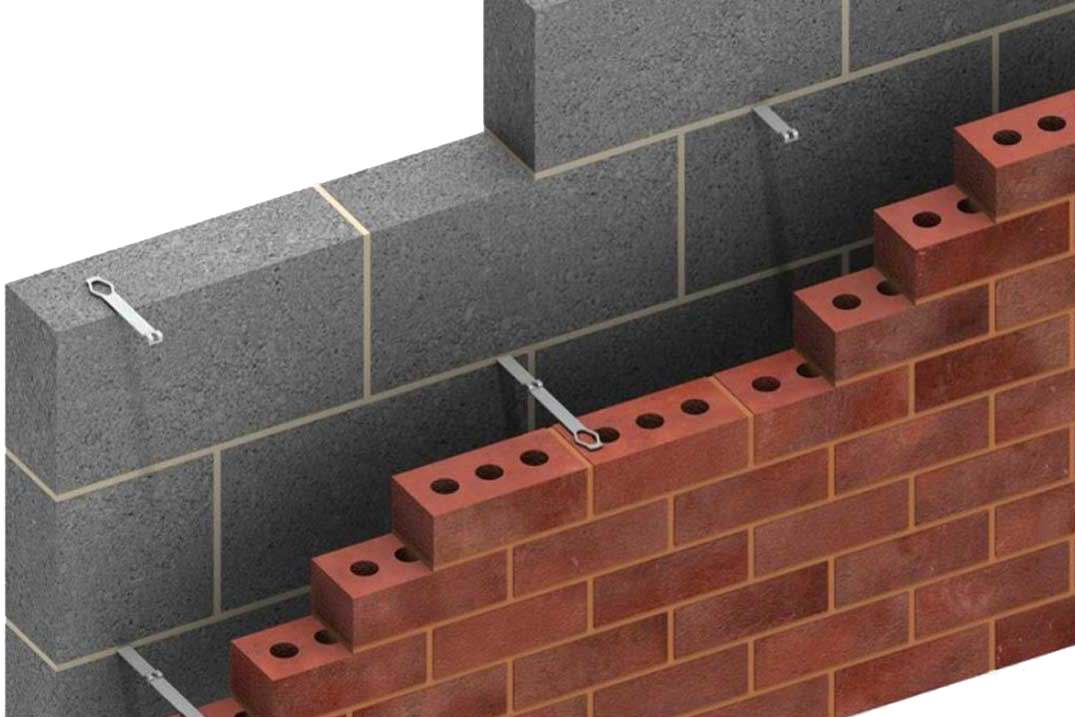
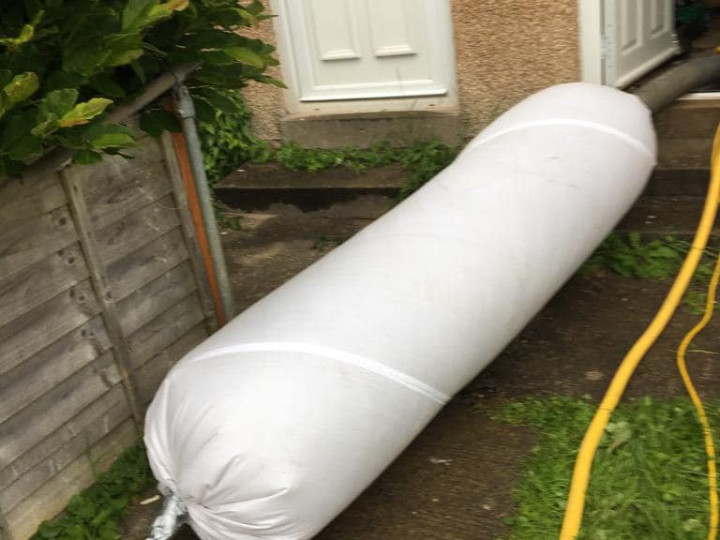
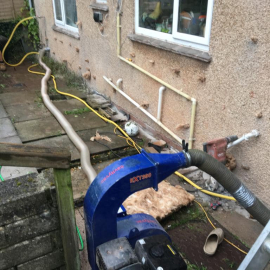
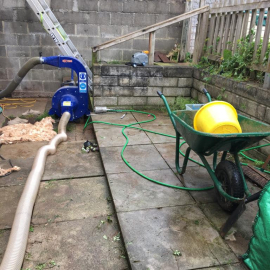
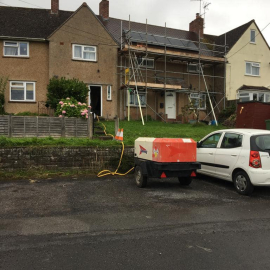
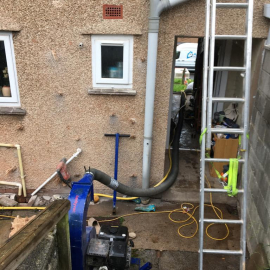
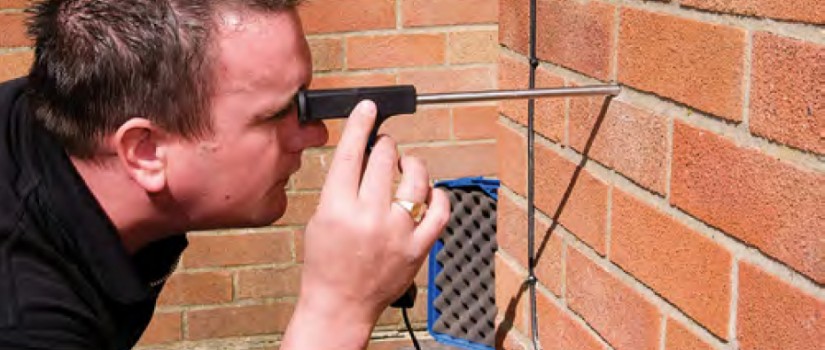
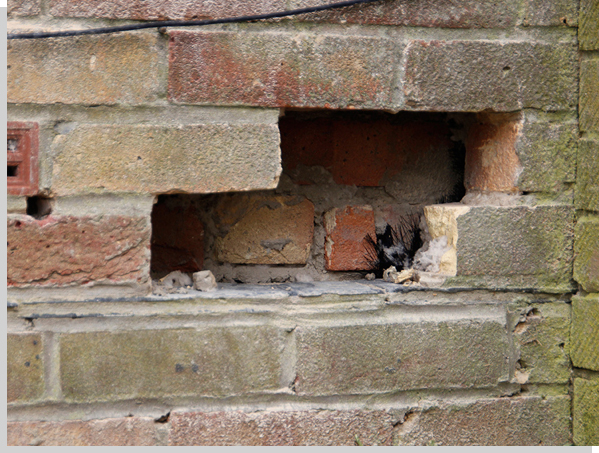
There are types of insulation such as blown fibres, wools and urea formaldehyde foam that can lead to damp or performance problems either because they absorb moisture or have reached the end of their usefulness or because they were installed incorrectly. Either way, we can help. Most houses built in the UK since 1930 have been built with a cavity wall: a wall formed from two thicknesses of masonry with an air space between them, which are held together with wall ties. The air space ensures that any water which may enter the cavity either via wind driven rain or condensation simply drains down to the footings below the damp proof course, without crossing to the inner wall. Cavity insulation fills this gap to create a thermal barrier. However should the insulation injected into the wall have been incorrectly installed or the wrong product then damp issue may occur. Cavity Extraction removes the insulation or blockages and obstructions found in some cavities that create cold spots and damp problems.